Cilantro Mac and Cheese

avacado mac and cheese

Ingredients:

* If you are desiring to avoid genetically engineered foods then take note of the items that would need to be organic. I have marked them with an asterisk.

10 ounces elbow macaroni ( brown rice is my favorite)
2 cloves garlic (elephant garlic if you can find it)
2-3 avocados, medium-large in size
2 Tbl fresh lime juice
1/4 cup chopped cilantro
Sea salt to taste
1/8 teaspoon cayenne
*2 Tbl organic butter
*2 Tbl organic flour
*1 cup milk (organic – I prefer goat milk )
*2 1/2 cups shredded organic monterey jack (I prefer goat cheese)
Fresh avocado chunks for garnish

Directions:

Bring water in a large pot to boil. Salt the water and add the macaroni, then cook until done. About 8-10 minutes. Drain and set aside.

While your macaroni is cooking, make the avocado sauce by placing the garlic, avocados, cilantro, lime juice, and salt and cayenne in a food processor or blender. Blend until smooth and set aside.

To make the cheese sauce, melt the butter in a small pan over medium heat. Once the butter is melted, whisk in the flour to make a roux. Then add the milk slowly and stir with a spoon until the sauce thickens. Add in the cheese and stir until all the cheese is melted.

To put the dish together, put the macaroni in a large bowl, mix in the avocado cream until the macaroni is fully coated then add the cheese sauce and mix until everything is equally incorporated. Garnish with fresh avocado chunks if desired.

Notes:

The lime juice keeps the avocados from browning, but this dish is best served the day of. If you want to add more heat, you can switch out the Monterey Jack cheese for Pepper Jack.

Adapted from life and tea, and twopeasandtheirpod.com

Which Eggs to Buy?

Most of us have heard the terms “Free Range, Pasturized, Cage Free, Organic, and Natural”.

We, as consumers must be careful when using these terms for evaluation. Although buying USDA organic gives assurance that the chickens are not being fed GMOs, a lot of the time, the terms above can be somewhat misleading and confusing.

As you can see in the above photo, the organic egg in the middle looks just as pale as the conventional egg.  This is definitely a major difference in quality!

So, if the labels on the carton are not sufficient for us to make a well informed choice, how do we know which eggs to buy?

1) Visit the farm personally and get to know your farmer

2) Go to the Cornucopia Institute’s website and look at their egg score card: http://www.cornucopia.org/organic-egg-scorecard/

3) Raise your own chickens or ducks

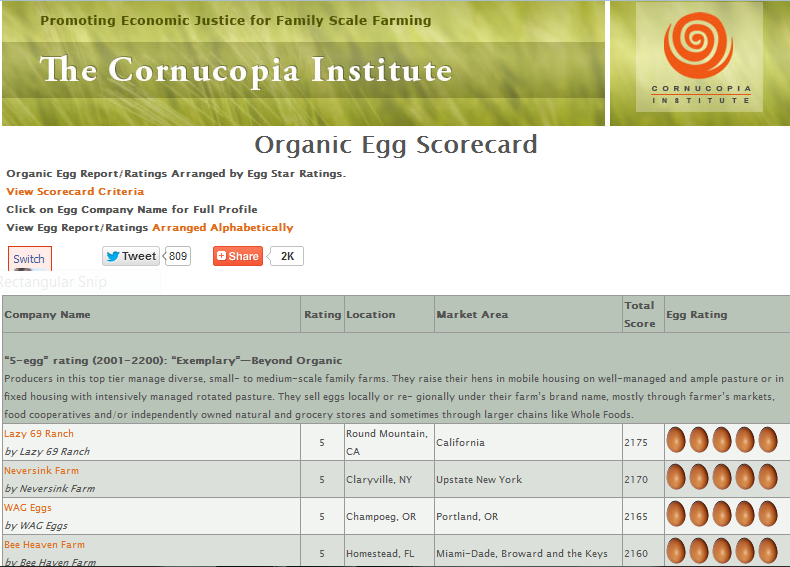
Here is a small snip of what the score card looks like

Capture

Now, I personally prefer duck eggs which I buy from a local small family farm,
but my husband used to buy eggs from Glaum Egg Ranch.

However, when I looked up the company on the score card, I was surprised to find that they did not score well at all.  Even though they are certified USDA organic, cage free and certified humane,  they received one of the worst ratings!


So, I called and emailed Glaum Egg Ranch, and asked them if I could tour their facilities.  I did not receive any response to my emails or phone calls. Trying to find information, I went on yelp and found out that there were other people trying to get a chance to visit their facilities but none of them were able to.  The owner responded to comments stating  that since his company participates in third party certification with regular inspections, he doesn’t need to make his facilities accessible to the public.  Really? Well, I don’t want to purchase from a company that I am not allowed to visit.

So, we stopped buying Glaum Ranch Eggs.

I went to our local natural food store the next day and brought my Cornucopia Egg Score Card. Most of the brands at our store did not score well, but then I found Organic Pastures which had one of the best scores.   So, I purchased it. I was so glad I did because the difference in egg quality was absolutely profound. The Glaum Eggs were pale, tasteless, and broke so easily, while the Organic Pasture eggs were dark, rich yellow, flavorful and almost impossible to break.

This experience was a real eye opener for me.

Here is an informative article from the Humane Society:

Egg Carton Labels Terms

The vast number of consumer labels affixed to egg cartons can leave a shopper feeling dazed and confused. One carton may label its eggs “Natural.” Another carton may call them “Free Range,” while yet another may claim its eggs are “Certified Organic.” How are thoughtful consumers supposed to know what these labels and claims really mean?

The truth is that the majority of egg labels have little relevance to animal welfare or, if they do, they have no official standards or any mechanism to enforce them.

The Labels†

Certified Organic: The birds are uncaged inside barns or warehouses, and are required to have outdoor access, but the amount, duration, and quality of outdoor access is undefined. They are fed an organic, all-vegetarian diet free of antibiotics and pesticides, as required by the U.S. Department of Agriculture’s National Organic Program. Beak cutting and forced molting through starvation are permitted. Compliance is verified through third-party auditing.

Free-Range: While the USDA has defined the meaning of “free-range” for some poultry products, there are no standards in “free-range” egg production. Typically, free-range hens are uncaged inside barns or warehouses and have some degree of outdoor access, but there are no requirements for the amount, duration or quality of outdoor access. Since they are not caged, they can engage in many natural behaviors such as nesting and foraging. There are no restrictions regarding what the birds can be fed. Beak cutting and forced molting through starvation are permitted. There is no third-party auditing.

Certified Humane: The birds are uncaged inside barns or warehouses but may be kept indoors at all times. They must be able to perform natural behaviors such as nesting, perching, and dust bathing. There are requirements for stocking density and number of perches and nesting boxes. Forced molting through starvation is prohibited, but beak cutting is allowed. Compliance is verified through third-party auditing. Certified Humane is a program of Humane Farm Animal Care.

Animal Welfare Approved: The highest animal welfare standards of any third-party auditing program. The birds are cage-free and continuous outdoor perching access is required. They must be able to perform natural behaviors such as nesting, perching and dust bathing. There are requirements for stocking density, perching, space and nesting boxes. Birds must be allowed to molt naturally. Beak cutting is prohibited. Animal Welfare Approved is a program of the Animal Welfare Institute.

American Humane Certified: This label allows both cage confinement and cage-free systems. Each animal who is confined in these so-called “furnished cages” has about the space of a legal-sized sheet of paper. An abundance of scientific evidence demonstrates that these cages are detrimental to animal welfare, and they are opposed by nearly every major US and EU animal welfare group. Forced molting through starvation is prohibited, but beak cutting is allowed. Compliance is verified through third-party auditing. American Humane Certified is a program of American Humane Association.

Cage-Free: As the term implies, hens laying eggs labeled as “cage-free” are uncaged inside barns or warehouses, but they generally do not have access to the outdoors. They can engage in many of their natural behaviors such as walking, nesting and spreading their wings. Beak cutting is permitted. There is no third-party auditing.

Free-Roaming: Also known as “free-range,” the USDA has defined this claim for some poultry products, but there are no standards in “free-roaming” egg production. This essentially means the hens are cage-free. There is no third-party auditing.

Food Alliance Certified: The birds are cage-free and access to outdoors or natural daylight is required. They must be able to perform natural behaviors such as nesting, perching and dust bathing. There are specific requirements for stocking density, perching, space and nesting boxes. Starvation-based molting is prohibited. Beak cutting is allowed. Compliance is verified through third-party auditing. Food Alliance Certified is a program of the Food Alliance.

United Egg Producers Certified: The overwhelming majority of the U.S. egg industry complies with this voluntary program, which permits routine cruel and inhumane factory farm practices. Hens laying these eggs have 67 square inches of cage space per bird, less area than a sheet of paper. The hens are confined in restrictive, barren battery cages and cannot perform many of their natural behaviors, including perching, nesting, foraging or even spreading their wings. Compliance is verified through third-party auditing. Forced molting through starvation is prohibited, but beak cutting is allowed. This is a program of the United Egg Producers.

Vegetarian-Fed: These birds’ feed does not contain animal byproducts, but this label does not have significant relevance to the animals’ living conditions.

Natural: This label claim has no relevance to animal welfare.

Fertile: These eggs were laid by hens who lived with roosters, meaning they most likely were not caged.

Omega-3 Enriched: This label claim has no relevance to animal welfare.

Sweet and Sour Prawns

Sweet and Sour Prawns

sweet and sour sauce 069 (2)

1 pineapple

1- 2 tablespoons coconut oil

2 medium anaheim peppers

1 leek

2 medium cloves elephant garlic

1/8 cup tangerine peel

1 cup green beans

1/4 cup organic tamari sauce

1/4 cup of organic sugar cane

1/4 teaspoon cayenne

1/3 cup brown rice vinegar

1/8 cup of tomato paste

2/3 of water with 2 tablespoons organic cornstarch added

1/2 teaspoon sea salt

1/4 teaspoon nutmeg

1 pound prawns (peeled)

(serve over brown rice)

I just made up this recipe a couple months ago and it was so fun to make and turned out FABULOUS.

I’ve decided that I am going to make it again tonight. Here is what I did.

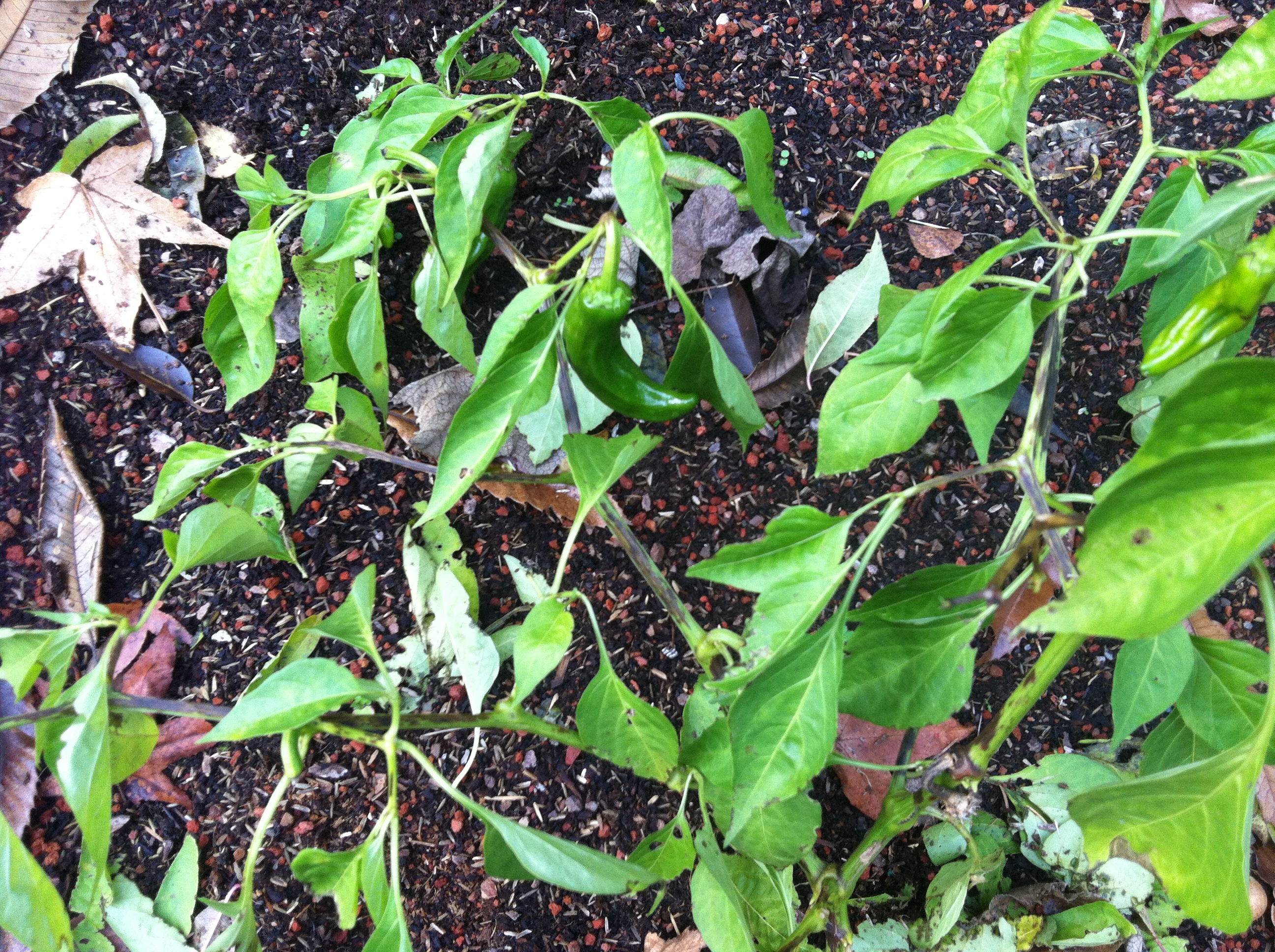
I went out to the garden to pick some anaheims… (one of my favorite peppers- they taste like a cross between a bell pepper and a jalapeno)

sweet and sour sauce 002 (2)

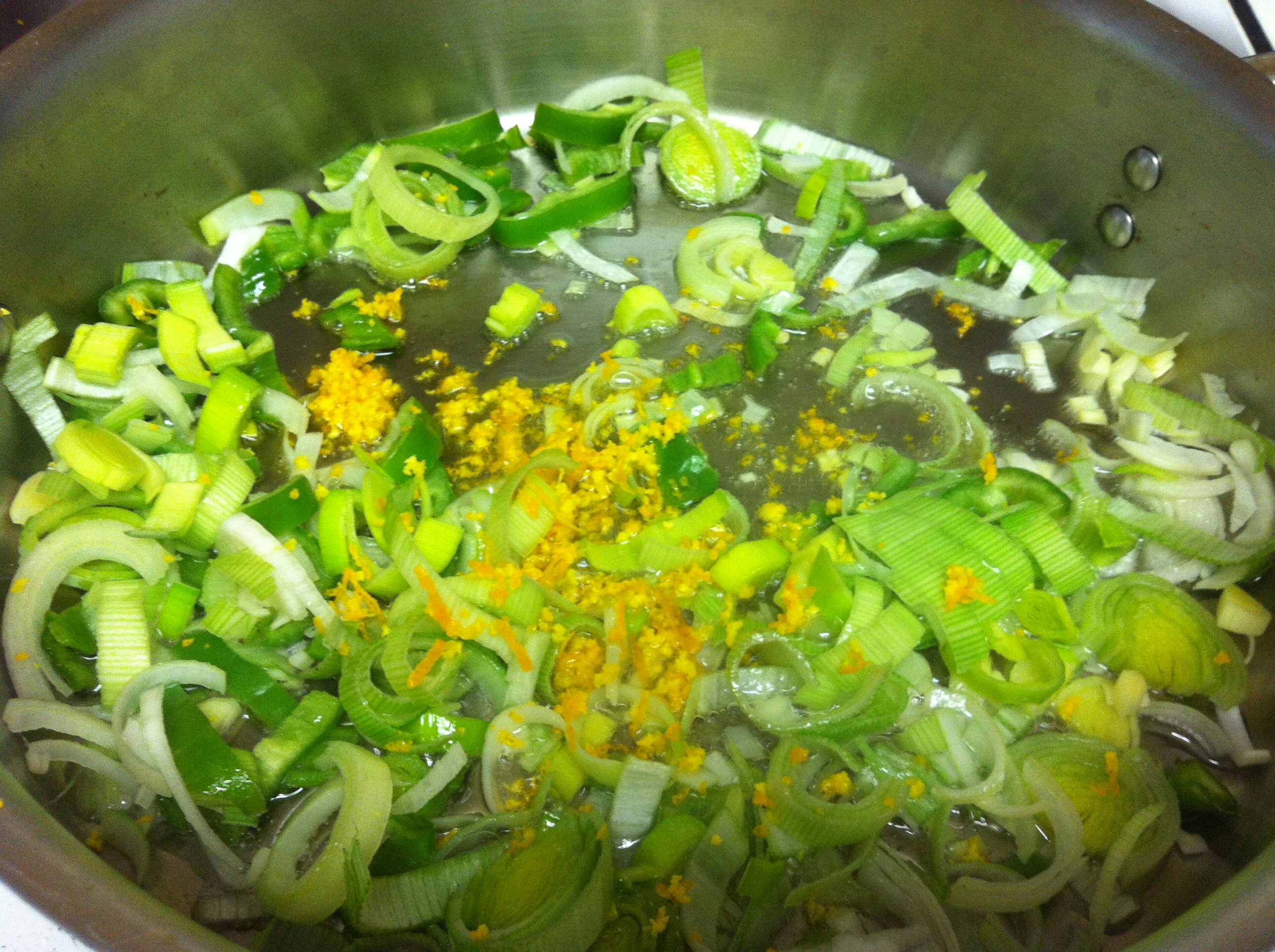
I cut up a leek and the anaheims, added a little elephant garlic, and some tangerine peel, and let them gently simmer on the stove in a little bit of high heat safflower oil. (You can use butter/ghee or any high heat oil you like, however if you are wanting to avoid GMOs, stay away from canola, soy, cottonseed, or corn oil as well as butter that is not organic )

sweet and sour sauce 027 (2)
Next, I cut up the pineapple and fed the remains to our dog, Dug, who LOVED it

Then I cut up the green beans (if you want your green beans more crunchy, add them during the last 10 minutes of cooking instead) and added them to the skillet along with the tamari.

sweet and sour sauce 038 (2)

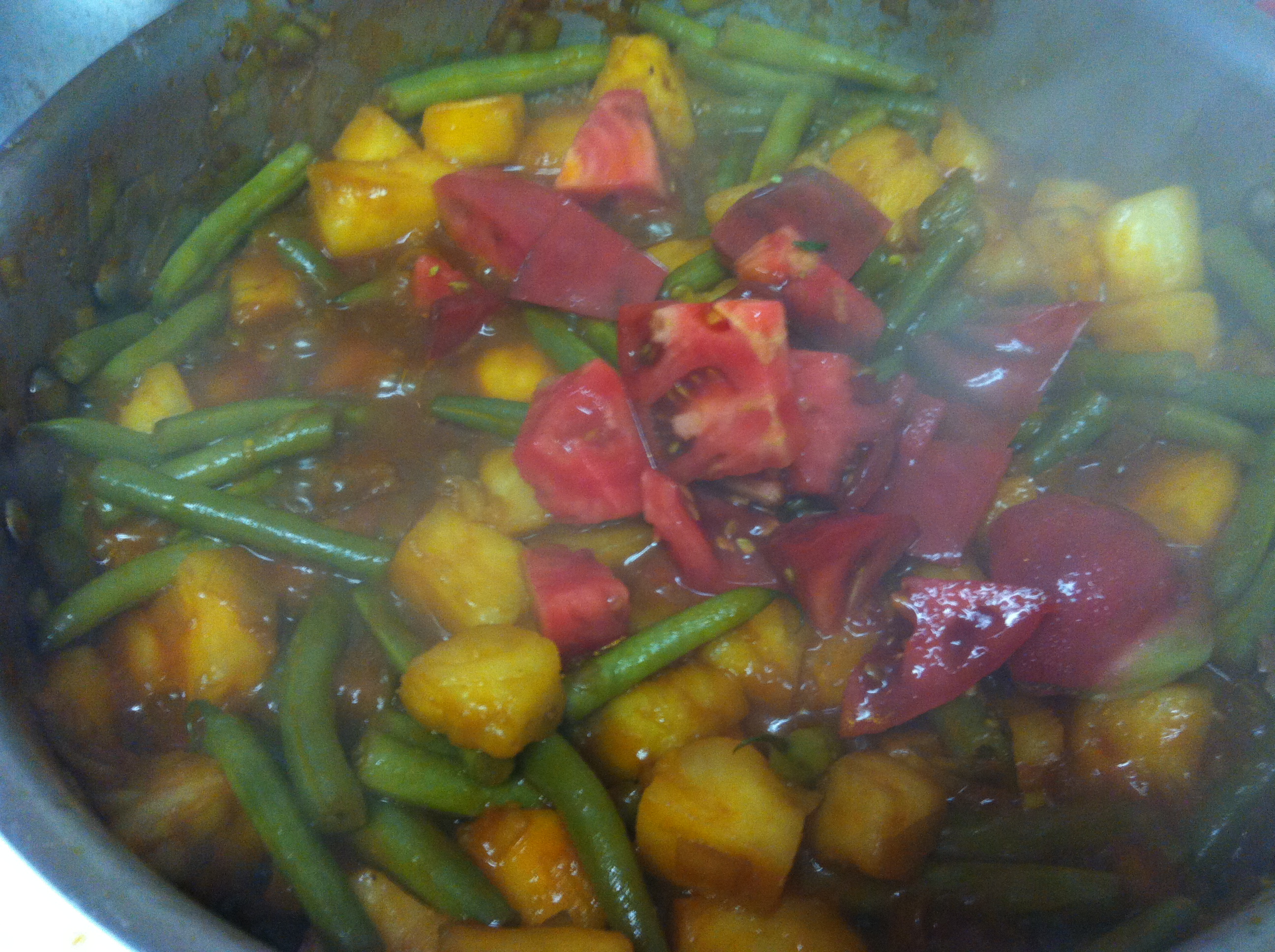
Then an heirloom tomato,

(not a necessary ingredient, I just had this one growing in my yard and wanted to use it)

sweet and sour sauce 047 (2)

sweet and sour sauce 051 (2)

1/4 cup of organic sugar cane, 1/4 teaspoon cayenne, 1/3 cup brown rice vinegar (1/4 – 1/2 cup) 1/2 jar of tomato paste, 1 cup of water with organic cornstarch added, 1/2 teaspoon sea salt, and just for fun I added 1/4 teaspoon of nutmeg (which was a fabulous idea because it made it taste awesome).

I let it all simmer until the pineapple was soft.

Next I boiled the prawns for about 4 minutes and added them to the skillet.
After everything cooked together (with the lid on) for about 10 minutes I served it  over brown rice to my family adding fresh mung beans to the top.

It was lovely. 🙂

Natural Food Colors

Most artificial dyes are made from petroleum

(The NPR news: http://cbsn.ws/c0gBIR)

I prefer to use natural food colors.

0919-food-coloring_vg

The video below shows how to boil these foods for coloring. I find that the colors are weak when they are made in this way. To get the rich, beautiful colors, I use freeze-dried, powdered extracts.

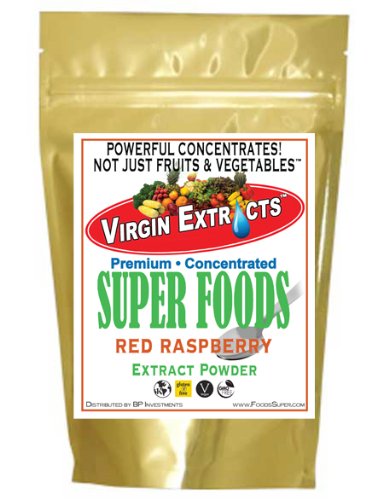
Red Raspberry makes a beautiful red color and tastes great!
Red Rasperry

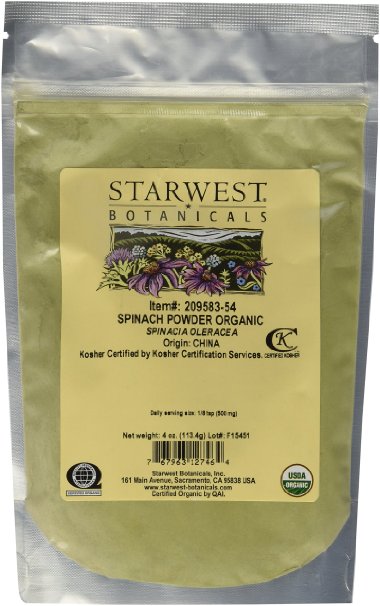
Powdered Spinach makes a beautiful green color

spinach powder

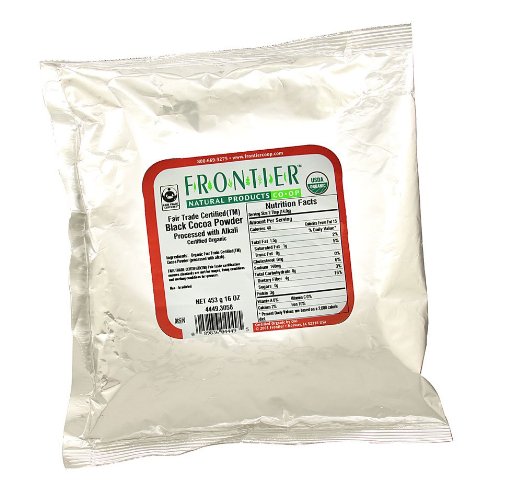
To make black use:

Black cocoa powder

black cocoa powder

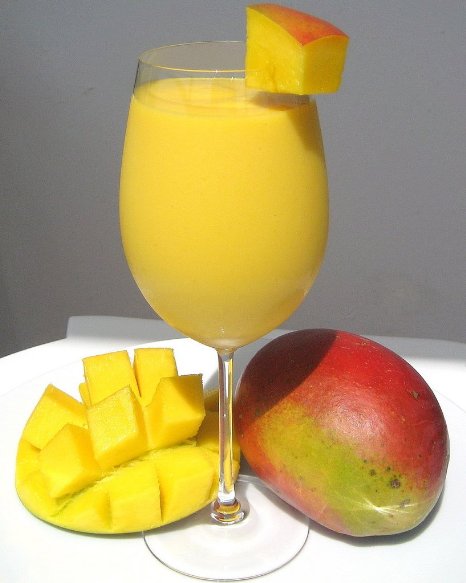
To make yellow-orange you can use:
Mango powder
mango powder


For purple you can used powdered blackberries
And turmeric from your spice cabinet makes an excellent yellow. 🙂

You can find almost any freeze dried powdered food ingredient that you need on Amazon. If you need any help finding anything, just send a message to me and I will help you. 🙂 

How to make Natural Food Coloring

ADHD and Food Dyes

“The FDA says food dyes may exacerbate problems in susceptible children diagnosed with ADHD because they may have a unique intolerance to them.” (CBS -links to sources at the end of this blog)

On July 20, 2010, a European Union regulation, adopted July 2008, went into effect requiring that food labels for products containing any of six food colors state that they “may have an adverse effect on activity and attention in children.”

food-dye
Since warning labels are now required in much of Europe, American companies like Kellogg’s, General Mills and Kraft did away with the artificial dyes overseas.  So, some foods in Europe, like M&M’s, just aren’t as bright. (CBS)

And so as the concern about synthetic food dyes led many manufacturers in Europe to stop using them,  CBS 2’s Mary Kay Kleist reports, these dyes are still used here in America in everything from cereal to crackers to toothpaste.

Food manufacturers in the U.S. can use nine dyes in all. Red 40, Yellow 5 and Yellow 6 make up 90 percent of the market.  You see them everywhere, listed on a bright cereal box or a pickle jar. The colors are used in everything from cough syrup and toothpaste to waffles and crackers.

The Washington Post says:

“The British government funded two studies, each involving almost 300 children. Their results were even more startling: Artificial food dyes (in combination with a common preservative) could make even children with no known behavioral problems hyperactive and inattentive.

Health officials in the United Kingdom urged manufacturers to stop using the six dyes — including Red 40, Yellow 5 and Yellow 6 — involved in those studies. Next, the European Parliament required that foods containing those chemicals bear a label warning that the dyes “may have an adverse effect on activity and attention in children.” That is seen by some as the death knell for artificial dyes throughout Europe.”

http://chicago.cbslocal.com/video?autoStart=true&topVideoCatNo=default&clipId=6788499

http://chicago.cbslocal.com/2012/02/27/food-dyes-suspected-of-causing-behavioral-problems-in-kids/

http://articles.washingtonpost.com/2011-03-25/opinions/35261112_1_artificial-dyes-food-dyes-color-additives

http://abcnews.go.com/Health/food-dyes-hyperactivity/story?id=13221478&page=2

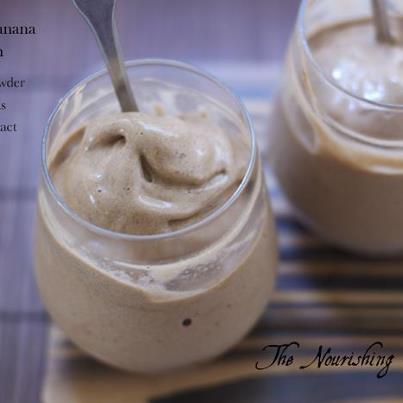
Simple Chocolate Banana Ice Cream

I made this recipe a couple weeks ago and was amazed with how good it was!
So simple too!
Ice cream
Simple Chocolate Banana Ice Cream
3 frozen, peeled ripe bananas
2 tablespoons of high quality cocoa powder (full-fat is recommended)
1 teaspoon of vanilla extract

Heirloom Tortilla Recipe

How to make homemade Tortillas

021113_0115_heirloomtor4b

4 cups fresh ground grain

1 teaspoon salt

2 teaspoons baking soda

2 tablespoons organic butter

1 ½ cups warm water

I always use freshly ground grain. For my taste it is essential since store bought organic flour has had most of the nutrients removed and will only provide empty carbs. I also use heirloom Einkorn grain (see previous posts). I find it to have a taste and texture that is superb.

You can find a grain grinder online or at a local natural food store. The important thing to consider when purchasing, is the actual grinder. I prefer to have one that is stainless steel.

If you have a Kitchenaid, here is a nice stainless steel attachment:

021113_0115_HeirloomTor1.png

Mix all ingredients together. Melt butter into the water by heating it on the stove before adding it to the flour.

Heat skillet on the stove on medium high with no oil. If you add oil, it will burn. I use a cast iron skillet that has not been pre-seasoned. Pre-seasoned ones are usually seasoned with GMO soy and corn oils.

Next, make dough into one large ball. Then make them into smaller palm size balls. The dough does not need to be kneaded and the balls do not need to be perfect. Just quickly lump together all the palm size balls your dough will make. (Probably around 12)

021113_0115_heirloomtor2b

Next cover your tortilla press. I prefer to use parchment paper since  wax paper is usually made with GMO soy.

Put one of your dough balls on the press, toward the back of the press.

021113_0115_heirloomtor3b

Hold the press down for around 5 seconds.

021113_0115_heirloomtor4b

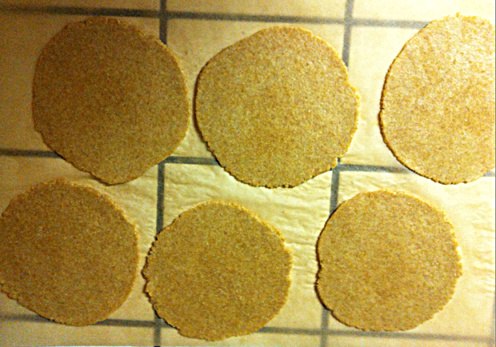
Lay them out on parchment paper

021113_0115_heirloomtor5b

Place on hot grill. Turn after 1 minute/30 seconds. Do not turn too early or it will stick to the pan.

021113_0115_heirloomtor6b

Place in tortilla warmer. The tortillas will soften and become flexible in the warmer. Make sure your warmer has a tight lid.

I have one that is stainless steel inside.

021113_0115_heirloomtor7b